Commercial, utility and mission-critical communications networks
Radio sites, microwave paths, endpoints, network equipment, dispatch dependencies, coverage and service objectives, migration, testing, and operational continuity.
This is the range I bring across commercial and enterprise organizations, public safety and government agencies, utilities, and critical infrastructure: hands-on technology depth combined with system design, equipment development, proposals and specifications, contracts, procurement, project delivery, operations, and leadership.
The work spans communications networks, facility security, telecom construction, equipment rooms, field deployment, and the specifications and delivery controls that connect them.

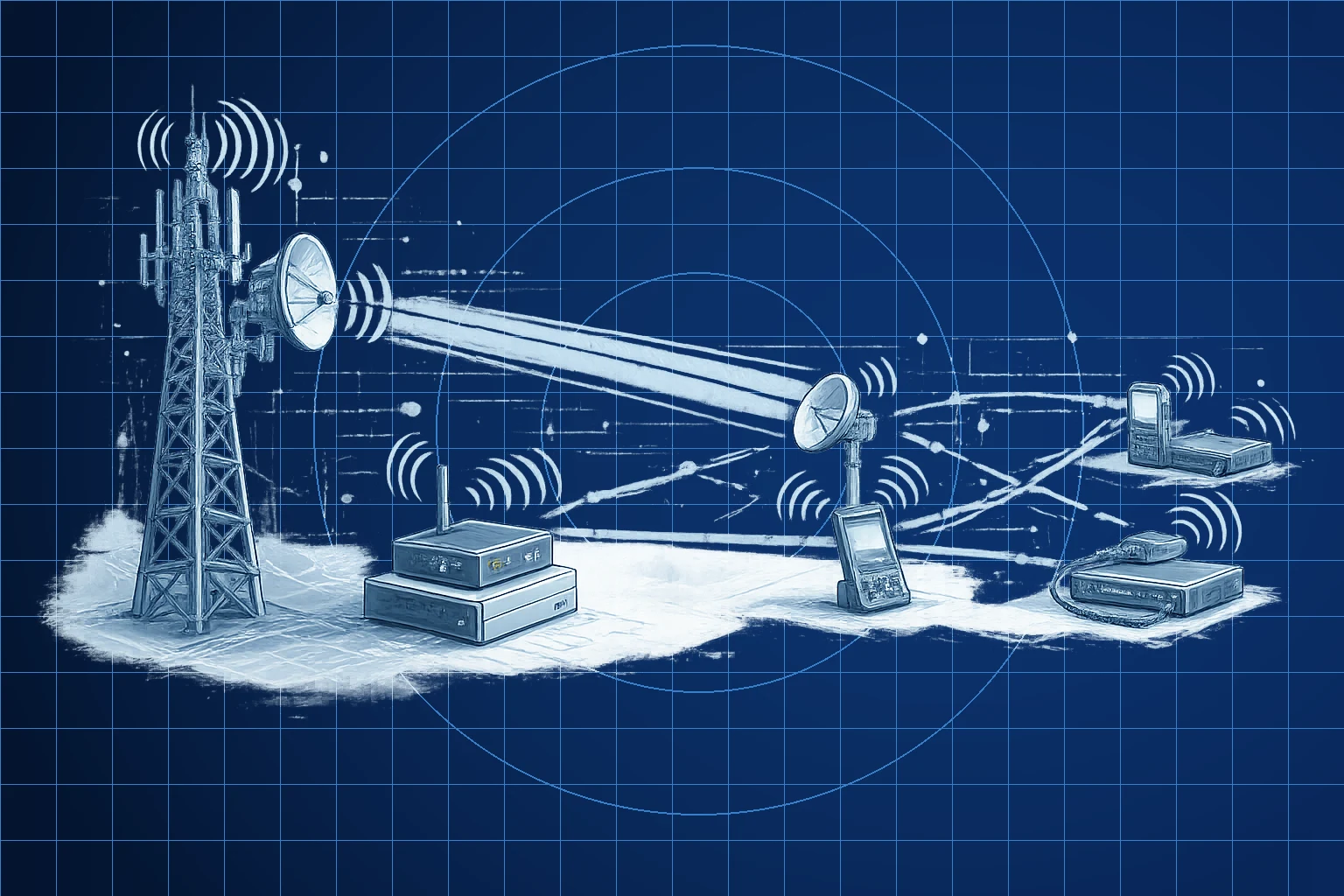
Radio sites, microwave paths, endpoints, network equipment, dispatch dependencies, coverage and service objectives, migration, testing, and operational continuity.

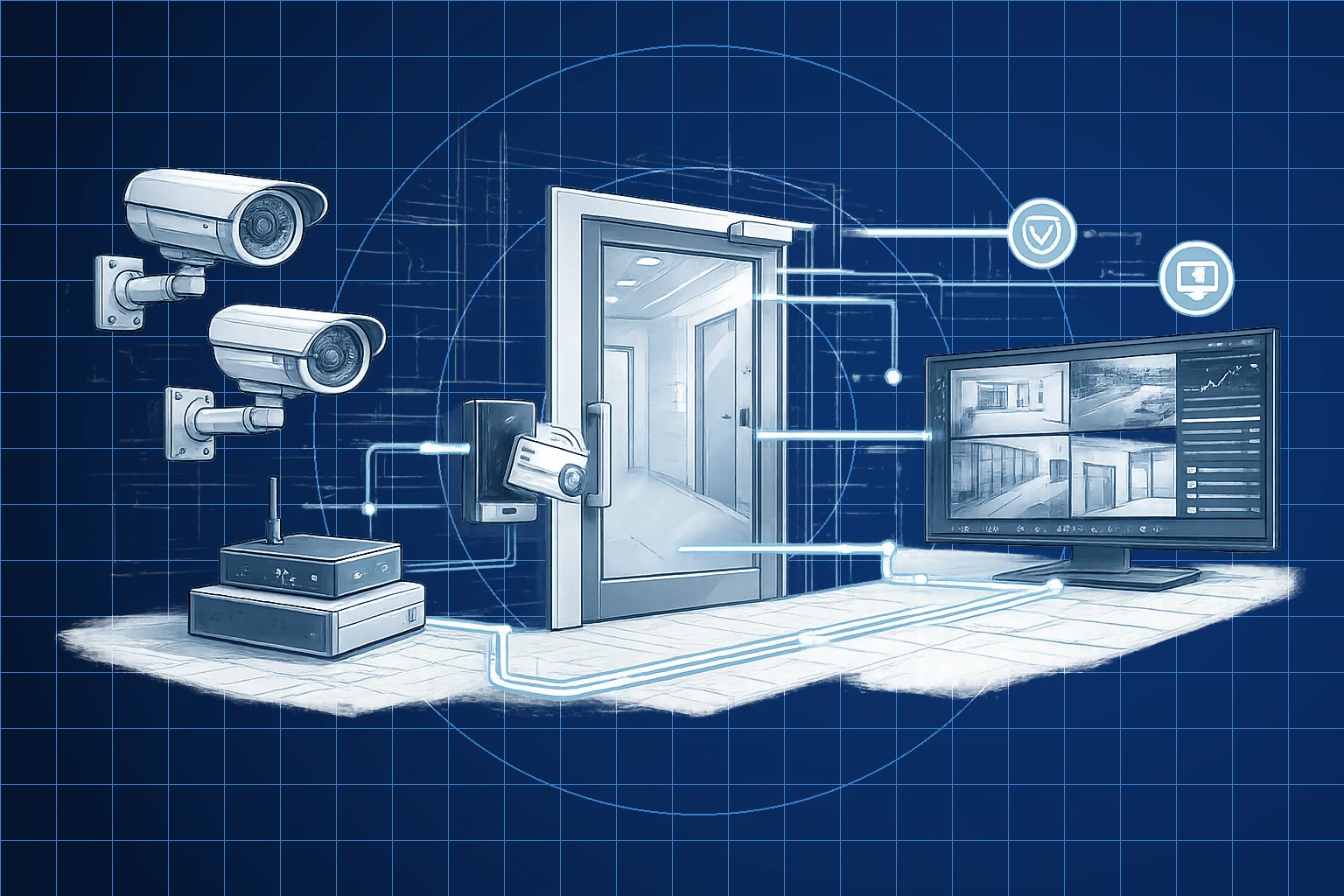
Networked cameras, credentials, door control, monitoring, servers and storage, low-voltage integration, testing, documentation, and lifecycle support.

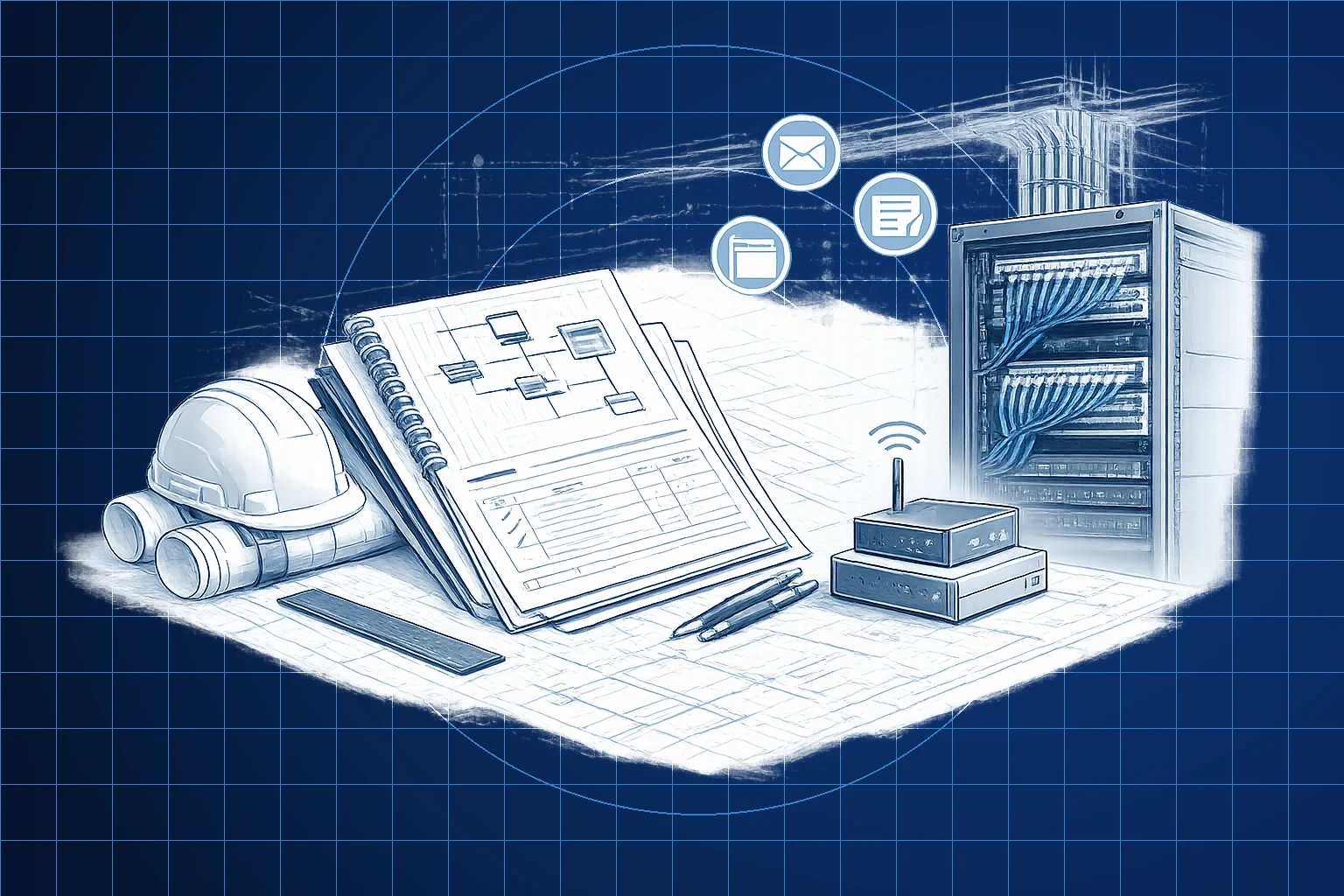
Construction packages, equipment rooms, racks, cabling, mounting, power, site constraints, subcontractors, sequencing, installation, testing, and closeout.
This range is most valuable where multiple technologies, vendors, sites, commercial commitments, and operational requirements must become one coherent design and delivery basis.
Commercial, utility, public-safety and enterprise two-way radio; analog and digital systems; DMR and P25 environments; conventional, trunked, simulcast and multi-site systems; VHF, UHF and 700/800 MHz; subscriber equipment, repeaters, base stations, migration, testing and acceptance.
Dispatch consoles, control stations, radio-over-IP interfaces, interoperability, logging and recording, alerting, integrated applications, operator workflows, redundancy, migration, cutover, and operational continuity.
Point-to-point microwave, wireless backhaul, path and site considerations, antennas, feedline, mounting, power, network interfaces, link equipment, site connectivity, redundancy, implementation, and lifecycle planning.
IP/MPLS networking, Ethernet transport, Wi-Fi, point-to-multipoint networks, CBRS, cellular, private broadband, networked devices, addressing and interface requirements, availability, support, and service continuity.
In-building coverage systems, public-safety and commercial DAS, ERRCS, donor and distributed architectures, equipment, head-end and remote components, facility coordination, testing, acceptance, maintenance, and lifecycle requirements.
Digital surveillance and CCTV, access control, servers and storage, networked security devices, credentials, monitoring, facility and data-center security, fire and life-safety coordination, low-voltage integration, documentation, and support.
Tower and site work, telecom construction, equipment rooms, shelters, racks, power, grounding, cabling, antennas, mounting, access, permits, field sequencing, CAD and construction drawings, subcontractors, installation, testing, and closeout.
Professional software development, systems integration, data and application interfaces, networked system behavior, troubleshooting, repair and replacement operations, asset and equipment lifecycle, maintenance workflows, and technical service delivery.

The design can be carried from requirements and architecture through a traceable equipment package, implementation basis, testing, acceptance, and lifecycle support.
Review technical design capabilitiesSite roles, interfaces, capacity, coverage or service objectives, redundancy, connectivity, configuration, and operational assumptions.
Primary equipment, endpoints, accessories, antennas, feedline, mounting, power, racks, software, licenses, services, spares, training, warranty, and support.
System diagrams, equipment schedules, interface and responsibility matrices, site requirements, configuration records, submittals, and CAD/construction-drawing review.
Staging, sequencing, access, outages, dependencies, field responsibilities, operational continuity, rollback, and handoff requirements.
Factory and site testing, functional and interface verification, coverage or performance evidence, punch-list, retest, acceptance, documentation, and closeout.
Maintenance, response, warranty, repair and replacement, software and licensing, spares, training, documentation, asset planning, and long-term support.
I bring extensive contracting and legal-interface experience developed inside technical operations—reviewing agreements, scopes, terms, risk language, assumptions, exclusions, and customer commitments in coordination with leadership and outside counsel.
That experience connects the design and document to the estimate, procurement plan, vendor and subcontractor obligations, schedule, margin exposure, change control, and delivery consequences.
I can enter for a focused deliverable or stay involved as the work moves from ambiguity to design, commitment, implementation, and support.
Describe the role, technical environment, required output, current stage, timing, and what needs ownership. I will identify the most practical next step.